Solar Panels
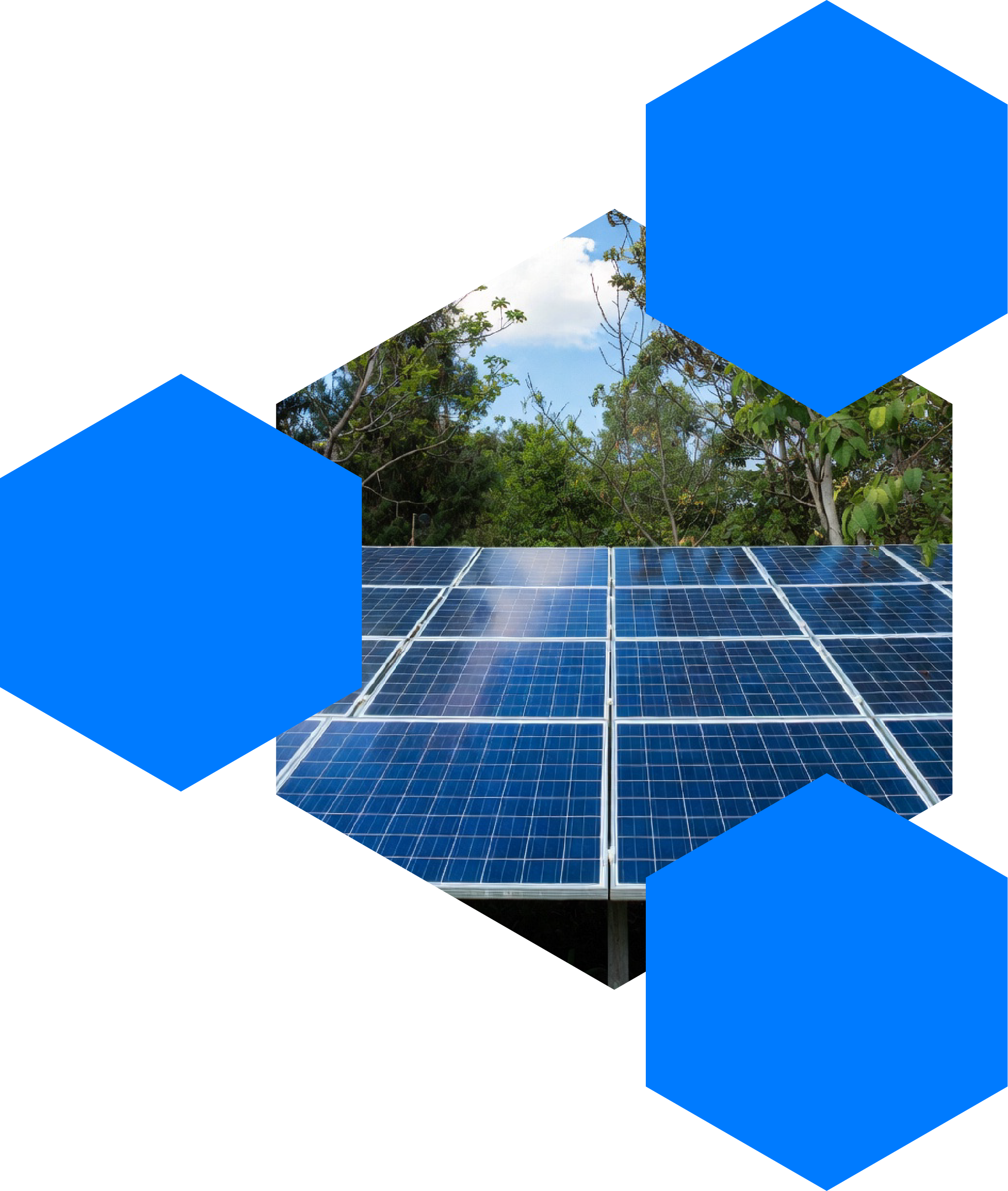
Solar panels are one of the most reliable, cost-effective, and sustainable ways to generate electricity for homes and businesses.
With rising electricity costs, frequent power interruptions, and increasing demand for clean energy, solar power has become a smart long-term investment.
At Sande, we specialize in professional solar panel installation designed to help you save money, gain energy independence, and enjoy uninterrupted power.
What Are Solar Panels?
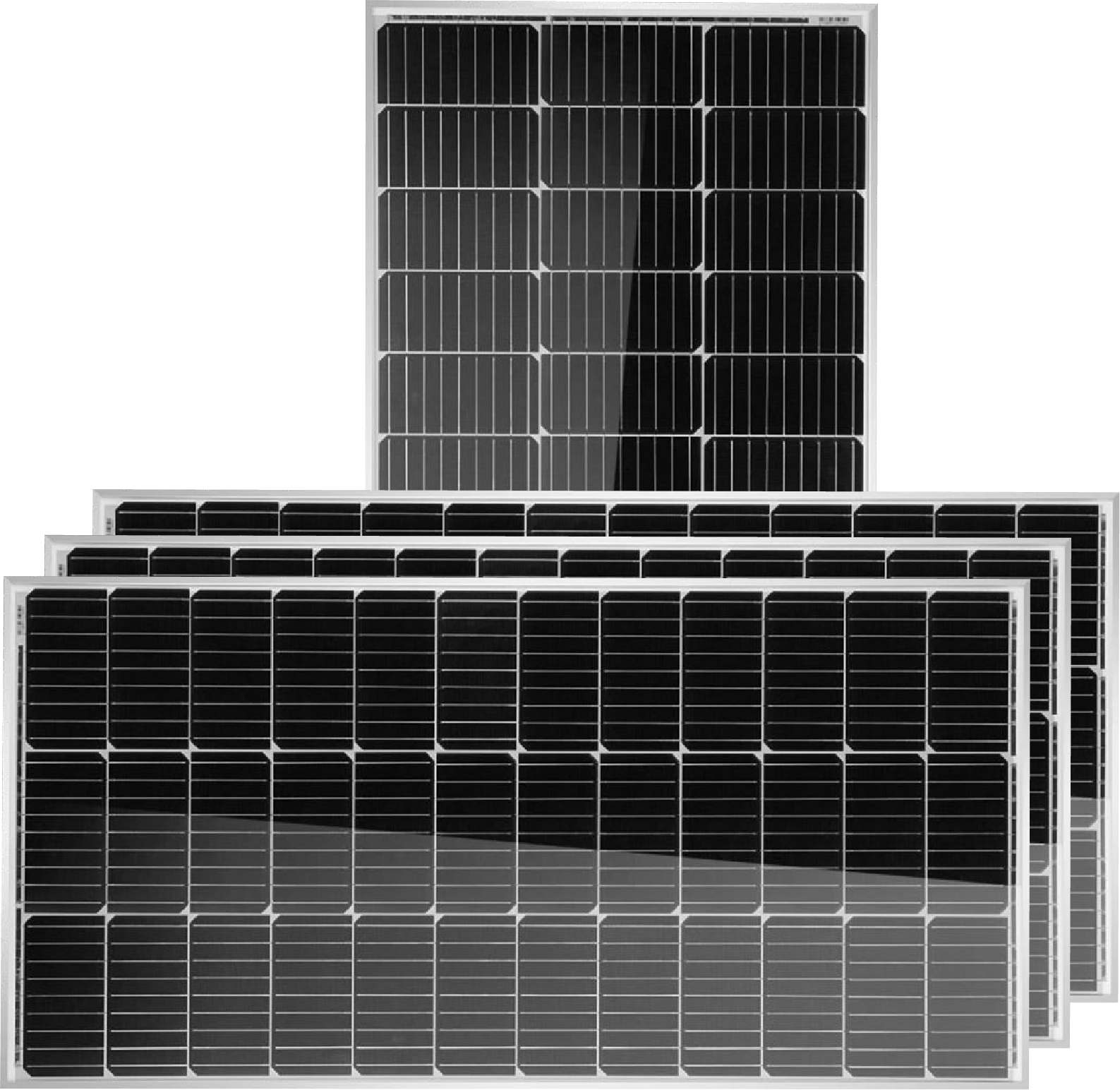
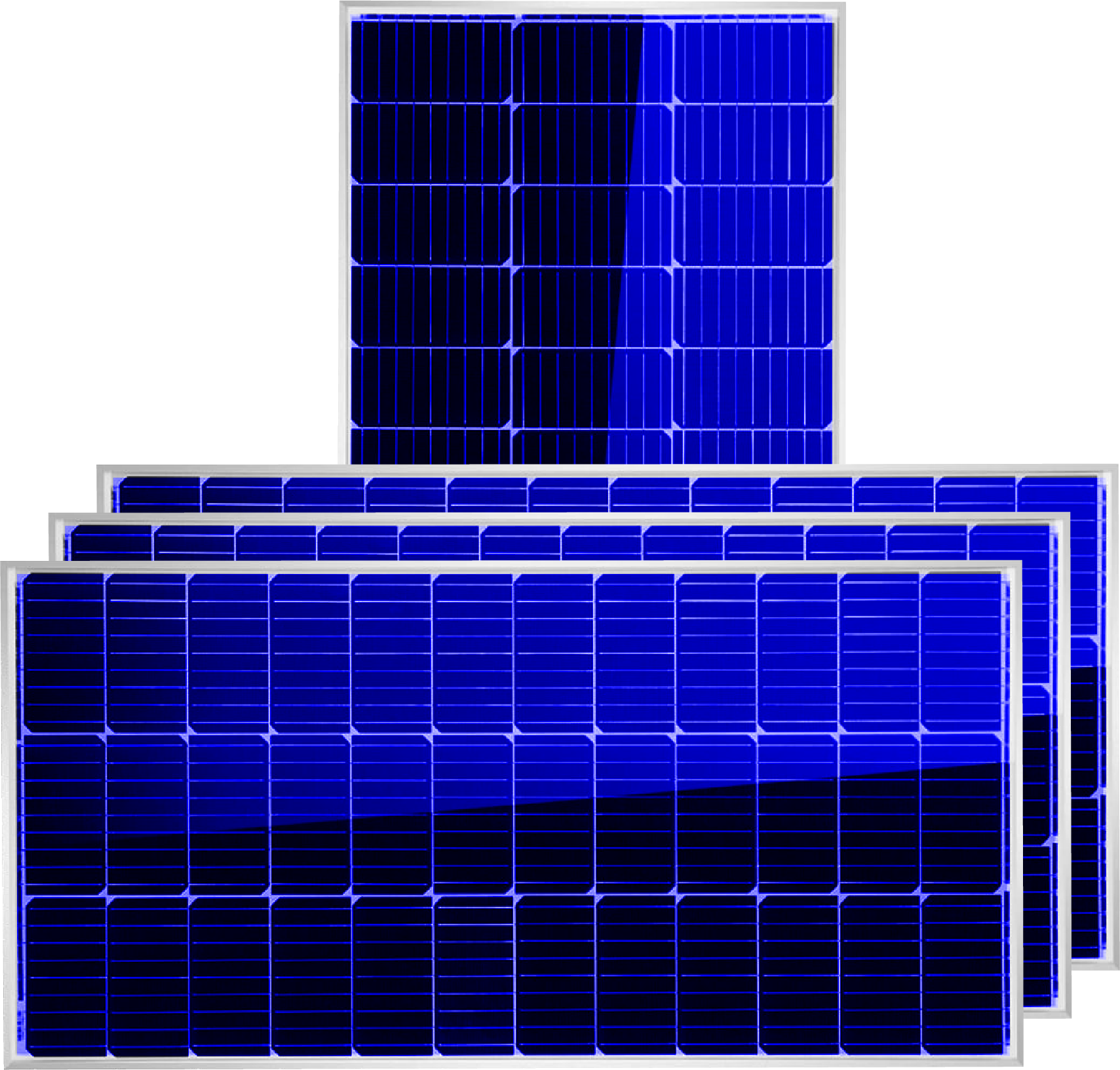
Solar panels are advanced energy devices designed to convert sunlight into usable electricity through a process known as the photovoltaic (PV) effect.
Each solar panel is made up of multiple photovoltaic cells, usually composed of silicon, which react when exposed to sunlight. When sunlight strikes these cells, it excites electrons and generates direct current (DC) electricity.
Because most homes and businesses use alternating current (AC) electricity, the DC power produced by solar panels must be converted. This conversion is done using an inverter, which transforms DC electricity into AC electricity that can safely power lights, appliances, machinery, and electronic devices.
One of the major advantages of solar panels is flexibility. The electricity generated can be used instantly, stored for later use, or combined with grid power. This makes solar panels suitable for homes, offices, commercial buildings, farms, schools, and industrial facilities.
Components of a Complete Solar Panel System
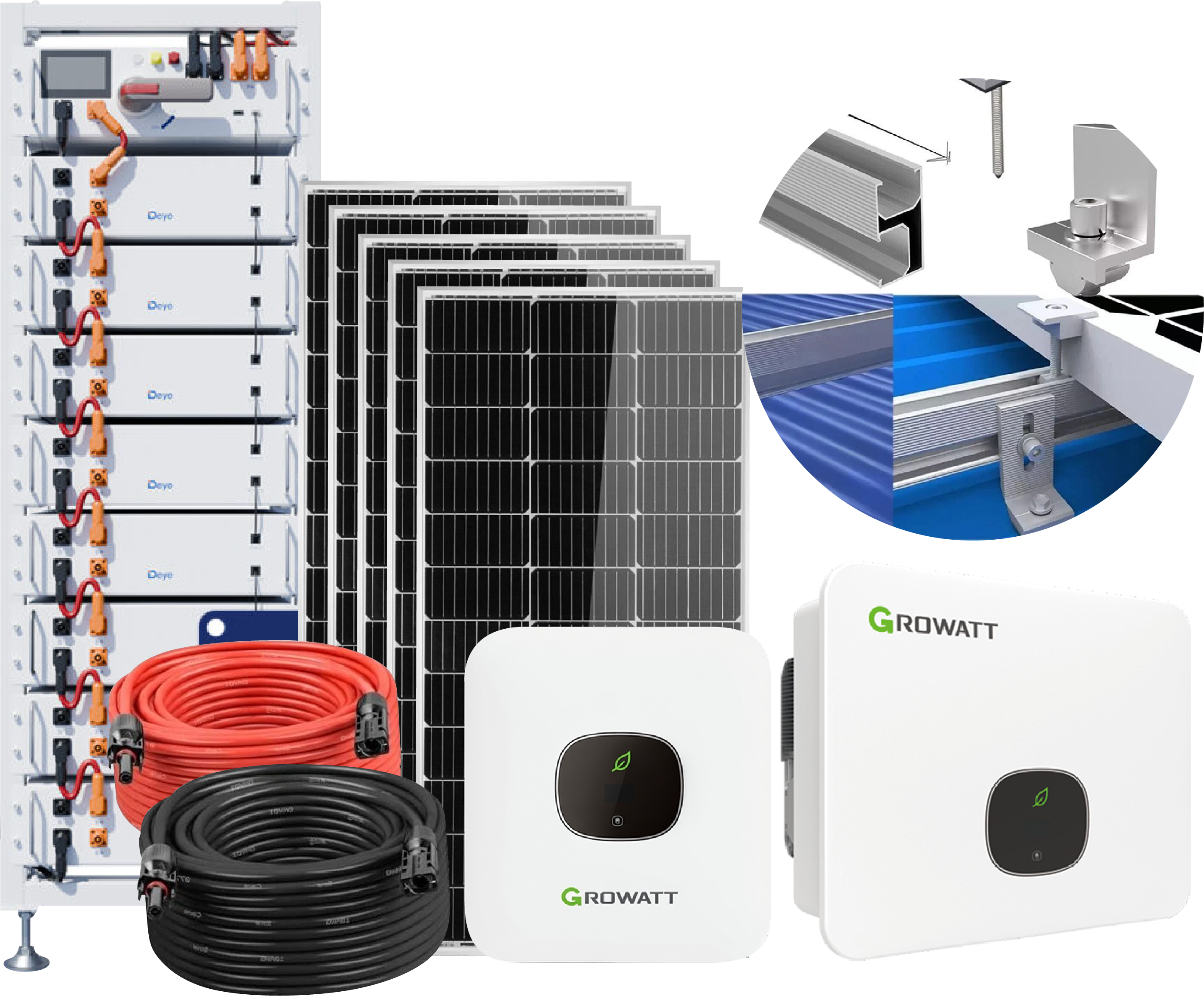
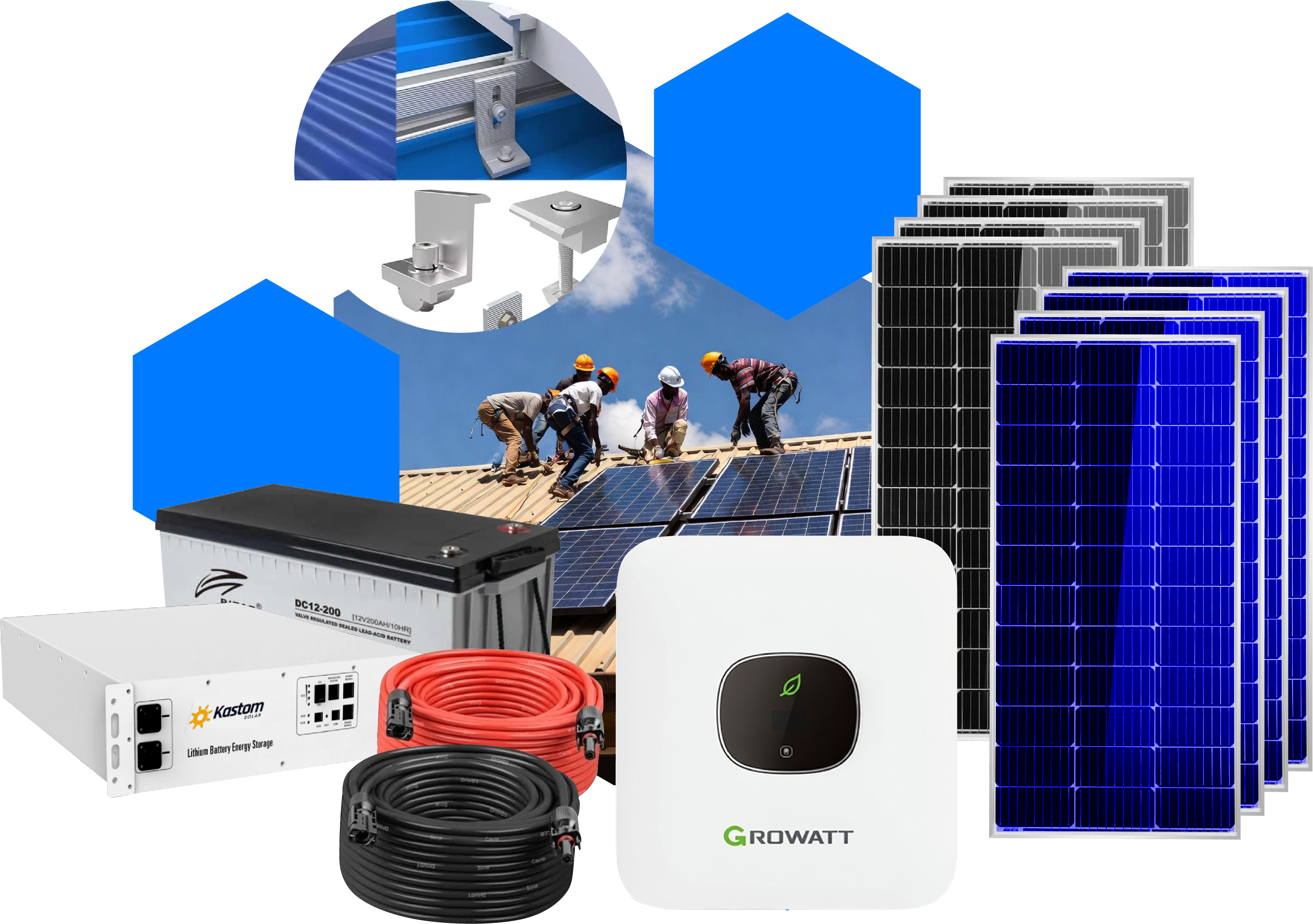
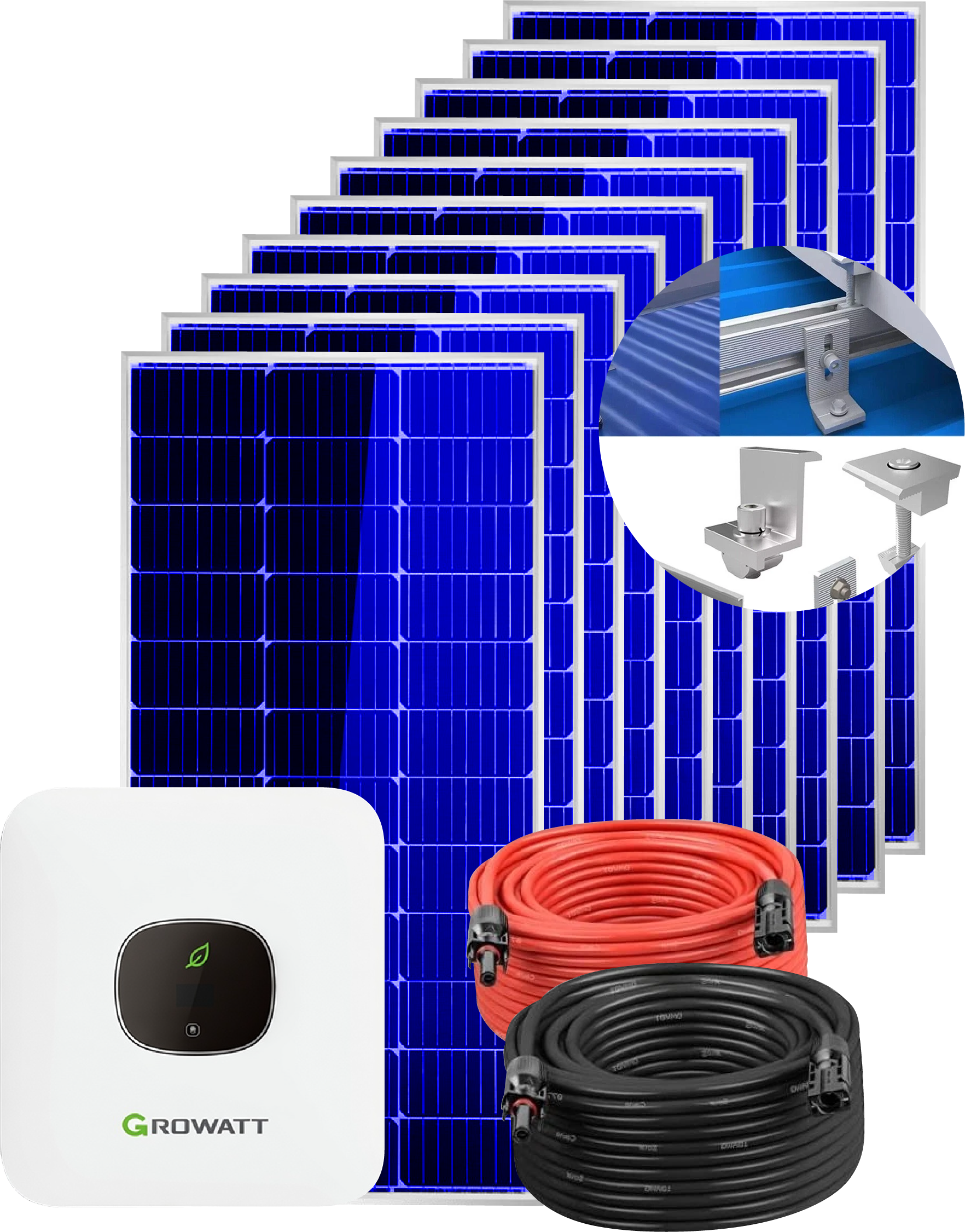
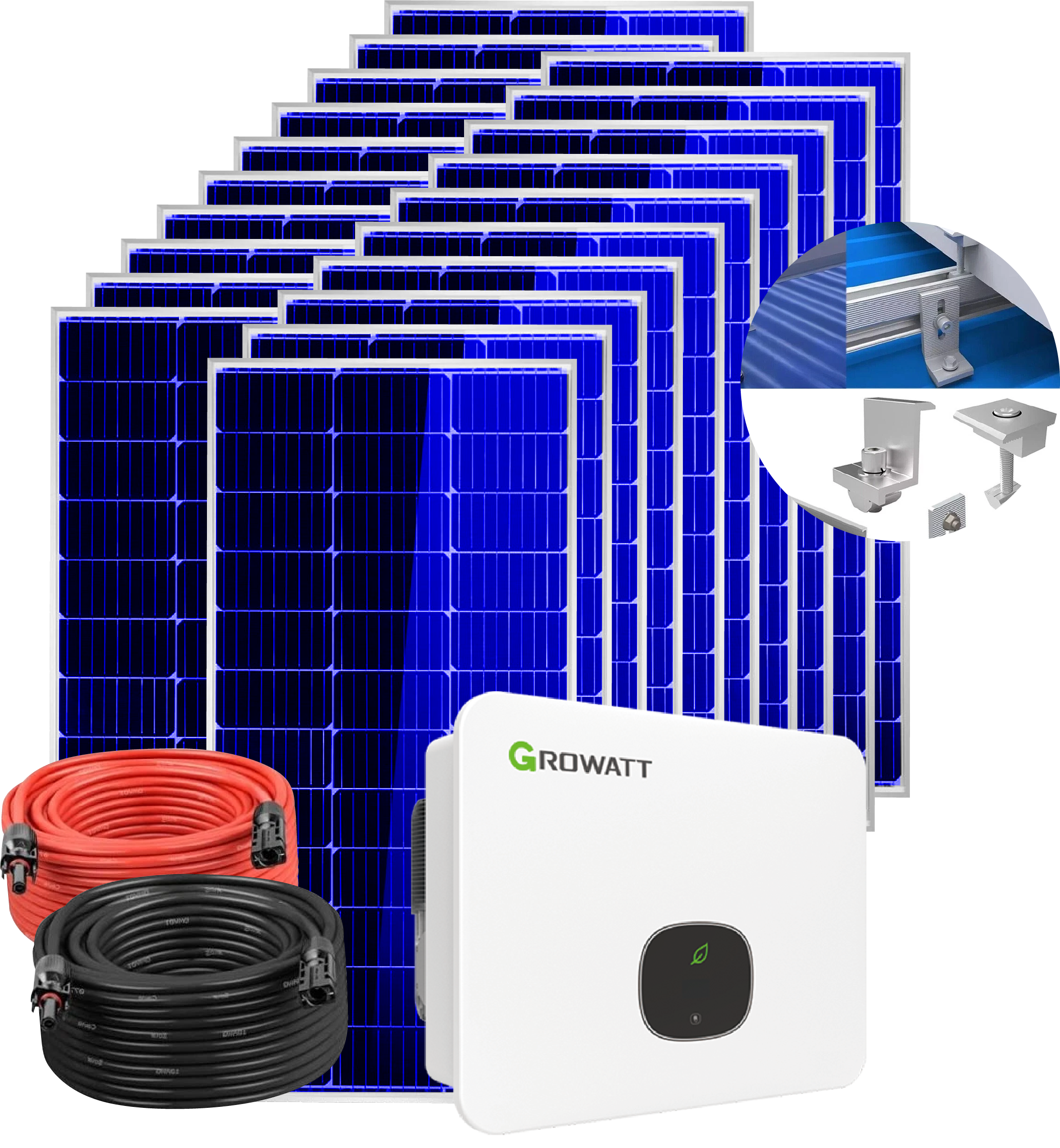
A professionally installed solar panel system includes several key components:
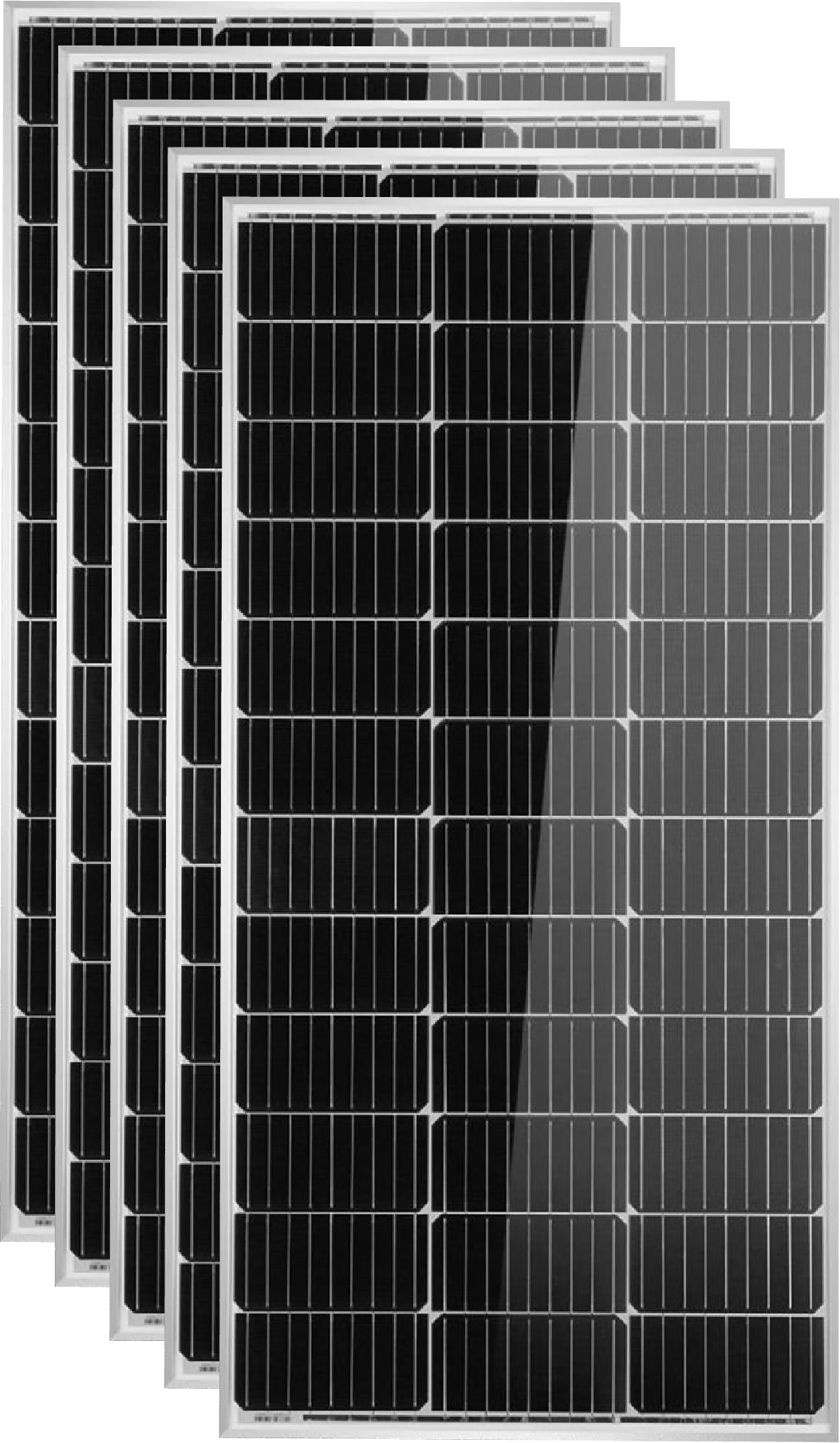
- High-quality solar panels: Captures sunlight and convert it into electricity efficiently.
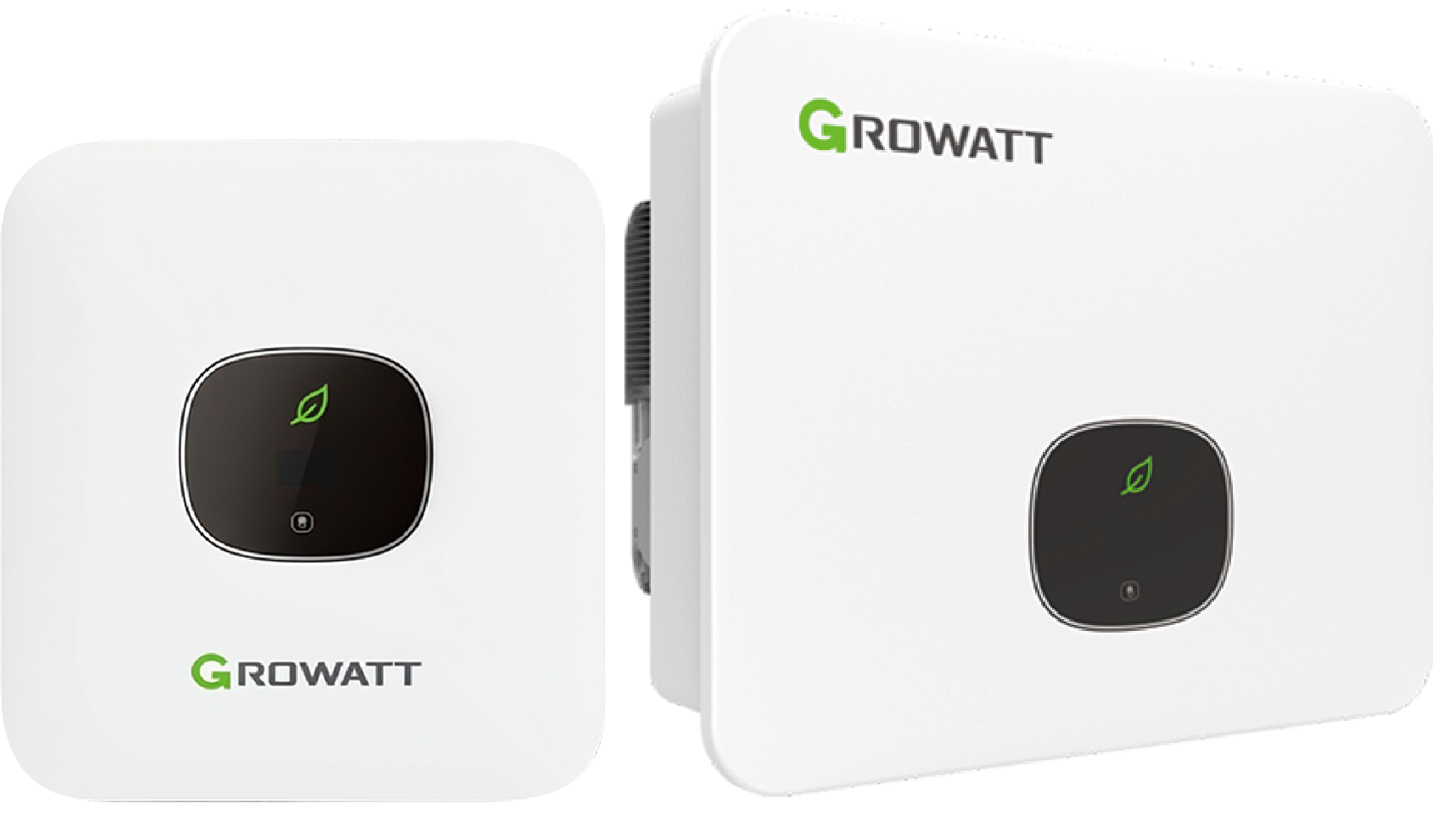
- Inverter (string or hybrid): Converts DC electricity into AC electricity usable in your building.
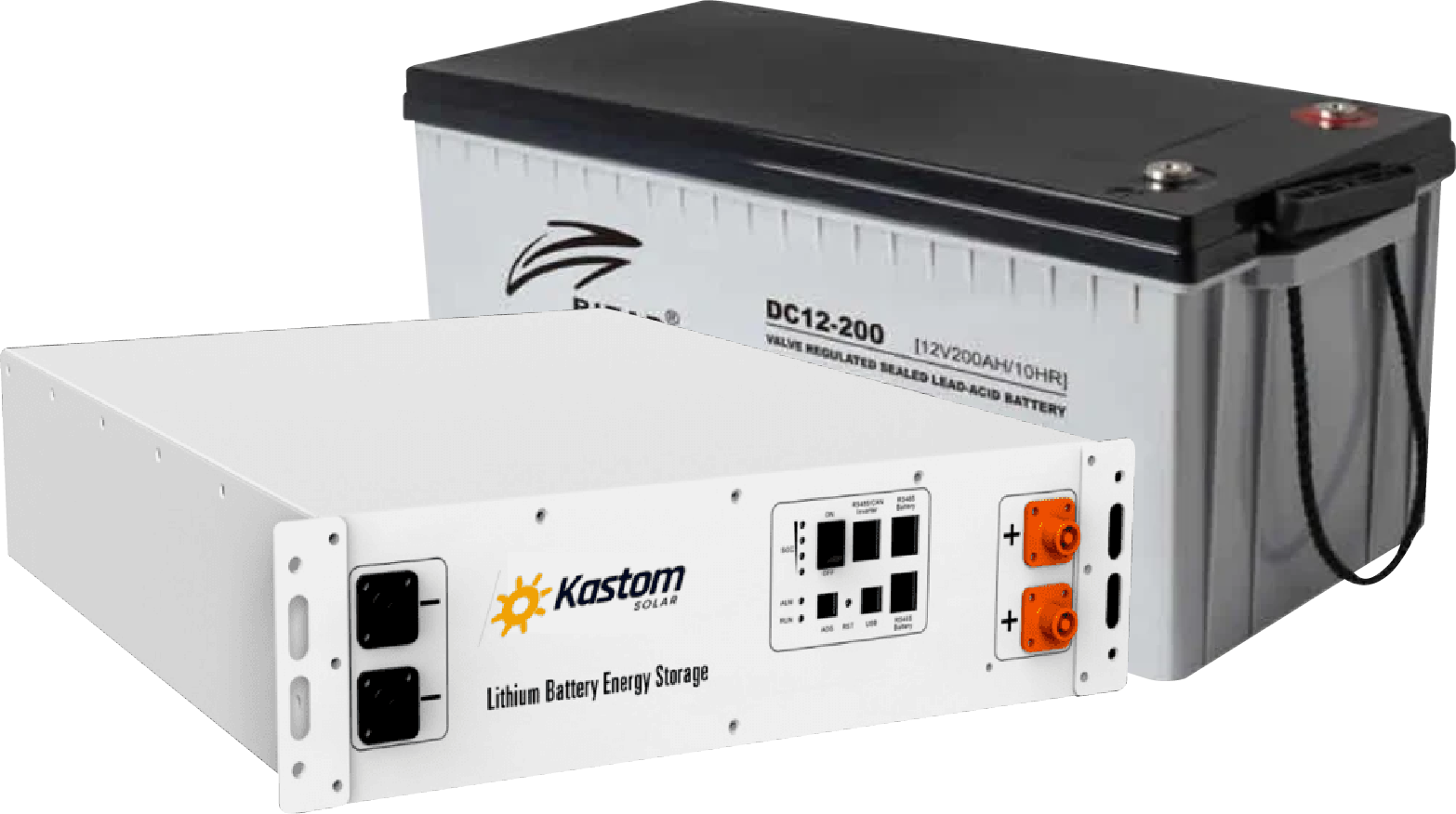
- Battery storage (optional but recommended): sStores excess power for nighttime use or during outages.
- Mounting structures: Secure panels at optimal angles for maximum sunlight exposure.
- Electrical wiring and protection devices: Ensure safety, efficiency, and system durability..
At Sande, we design custom solar systems based on your energy consumption, roof orientation, available space, and budget to ensure maximum efficiency and long-term performance.
How Solar Panels Work
Solar panels work by capturing sunlight and converting it into electrical energy through a carefully coordinated process. When sunlight hits the surface of the panels, photovoltaic cells absorb solar radiation and generate DC electricity.
This DC electricity flows to the inverter, where it is converted into AC electricity suitable for powering homes and businesses. The electricity is then distributed through your electrical system to power appliances, lighting, and equipment.
If your system includes batteries, excess electricity generated during the day is stored for use at night or during power outages. In grid-connected systems, surplus power can also reduce grid consumption, lowering monthly electricity bills.
This seamless process allows solar panels to provide consistent, reliable, and renewable energy throughout the year.

Types of Solar Panels We Install
There are only three types of solar panels we install, namely:
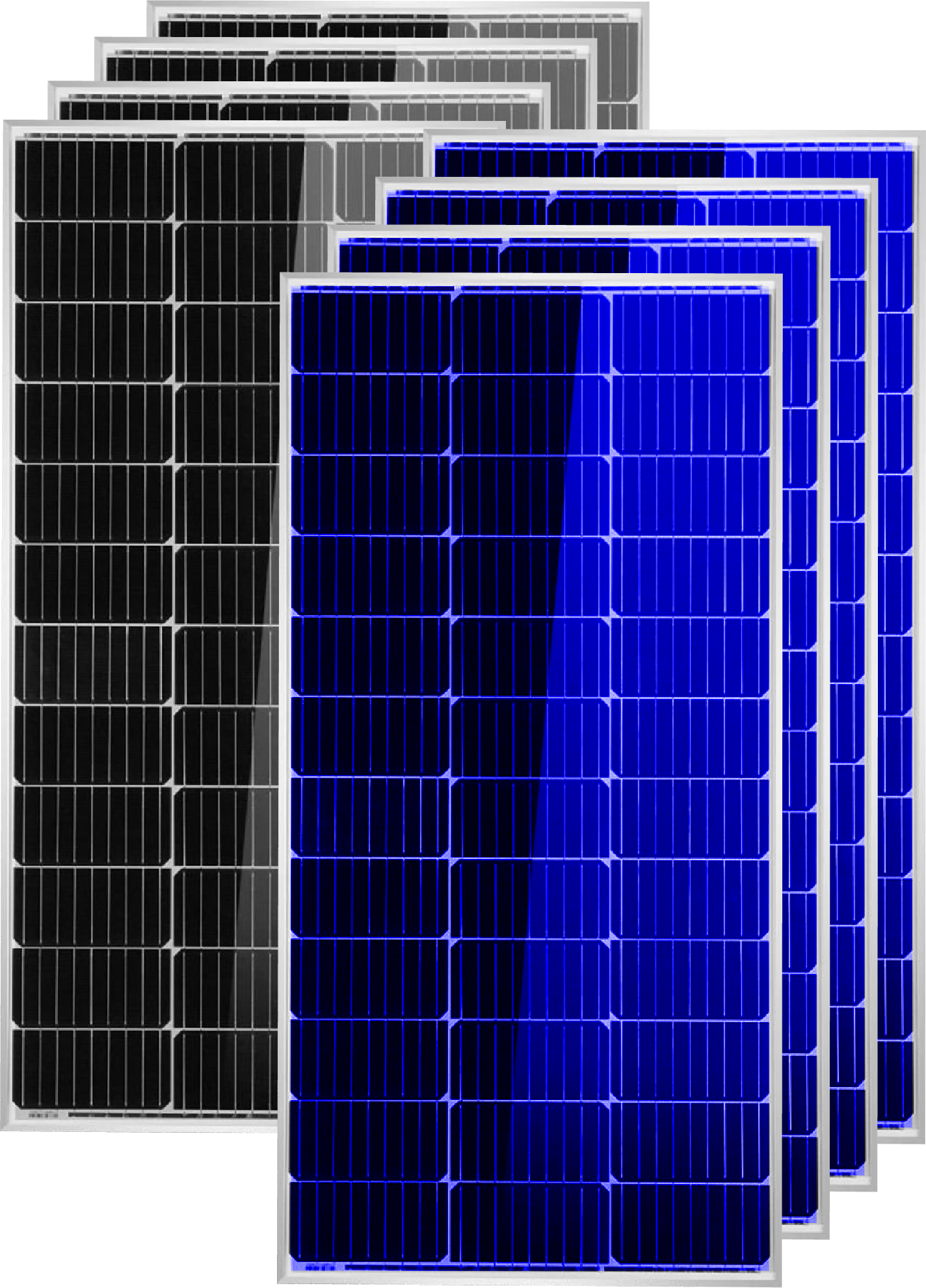
Monocrystalline Solar Panels
Monocrystalline solar panels are known for their high efficiency and long lifespan. They perform exceptionally well in limited spaces and are ideal for homeowners and businesses seeking maximum output.
Polycrystalline Solar Panels
Polycrystalline solar panels offer a cost-effective solution with reliable performance. They are suitable for properties with sufficient roof space and provide excellent value for money.
Thin-Film Solar Panels
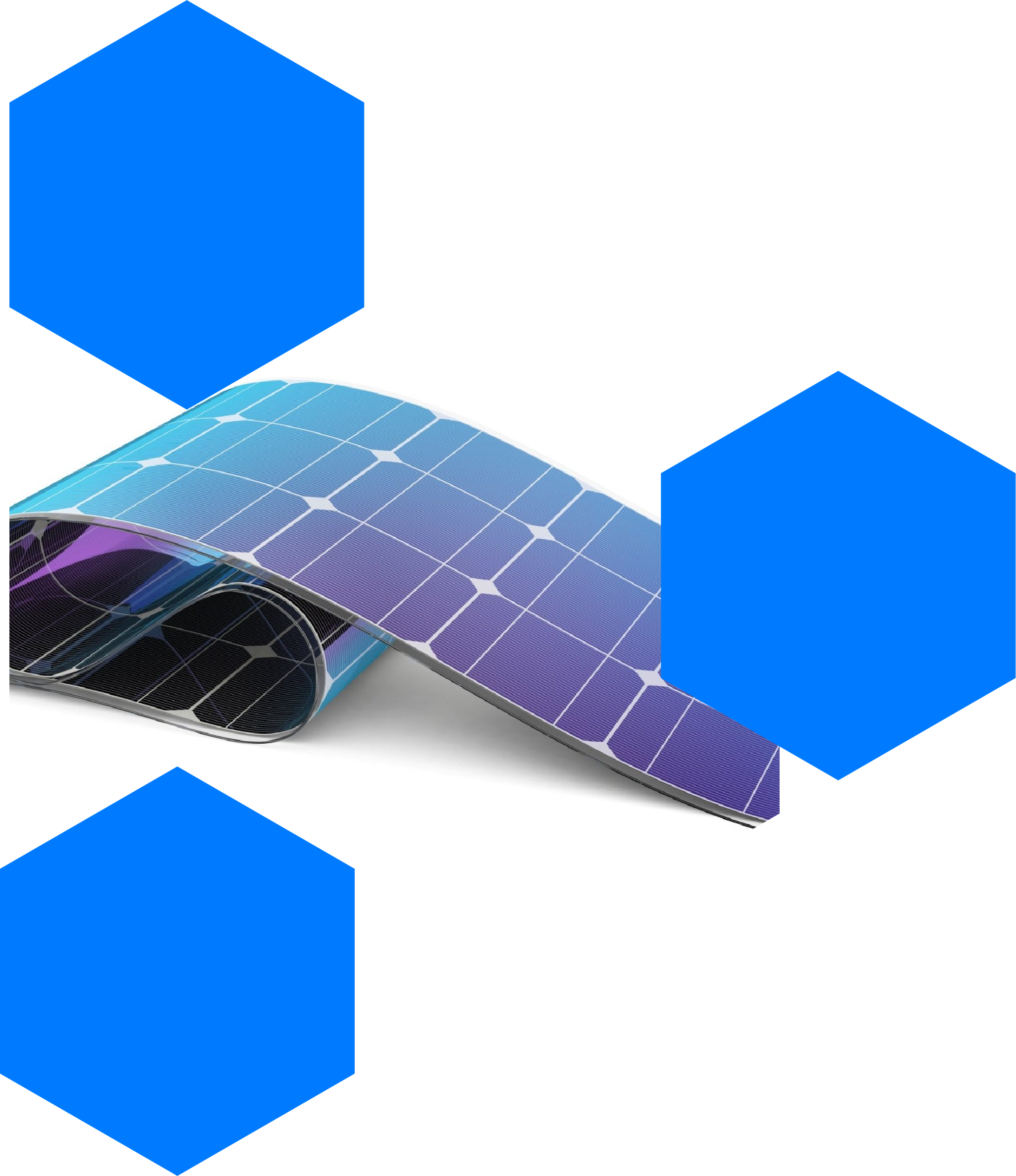
Thin-film solar panels are lightweight and flexible, making them suitable for specialized applications such as large commercial installations or unconventional surfaces.
Sande helps you choose the best solar panel type based on your energy needs, space availability, and long-term goals.
Our Solar Panel Installation Process
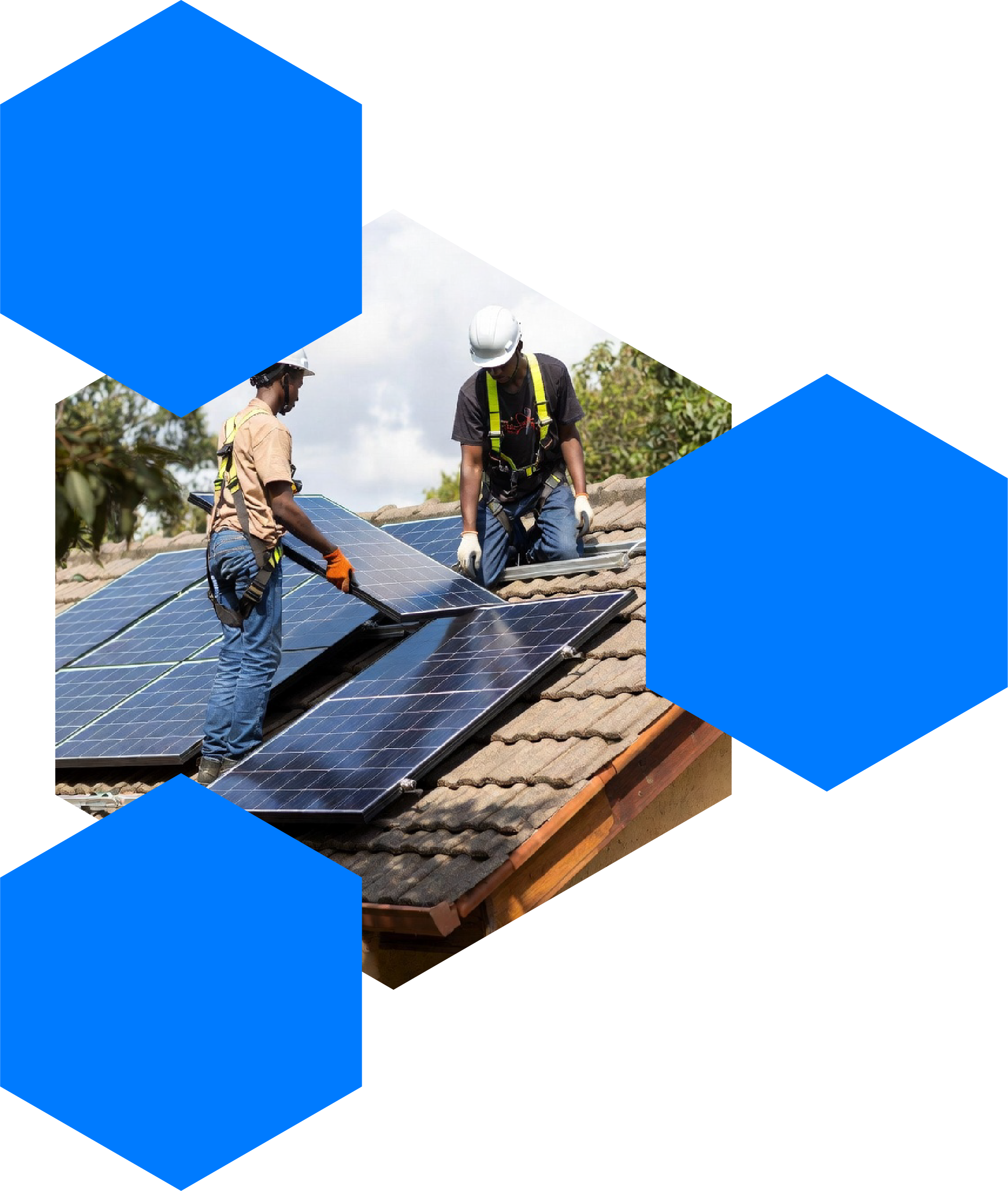
At Sande, professional installation is the foundation of system performance and safety. Our installation process includes:
- Detailed site inspection and energy assessment
- Custom system design and planning
- Supply of certified, high-quality components
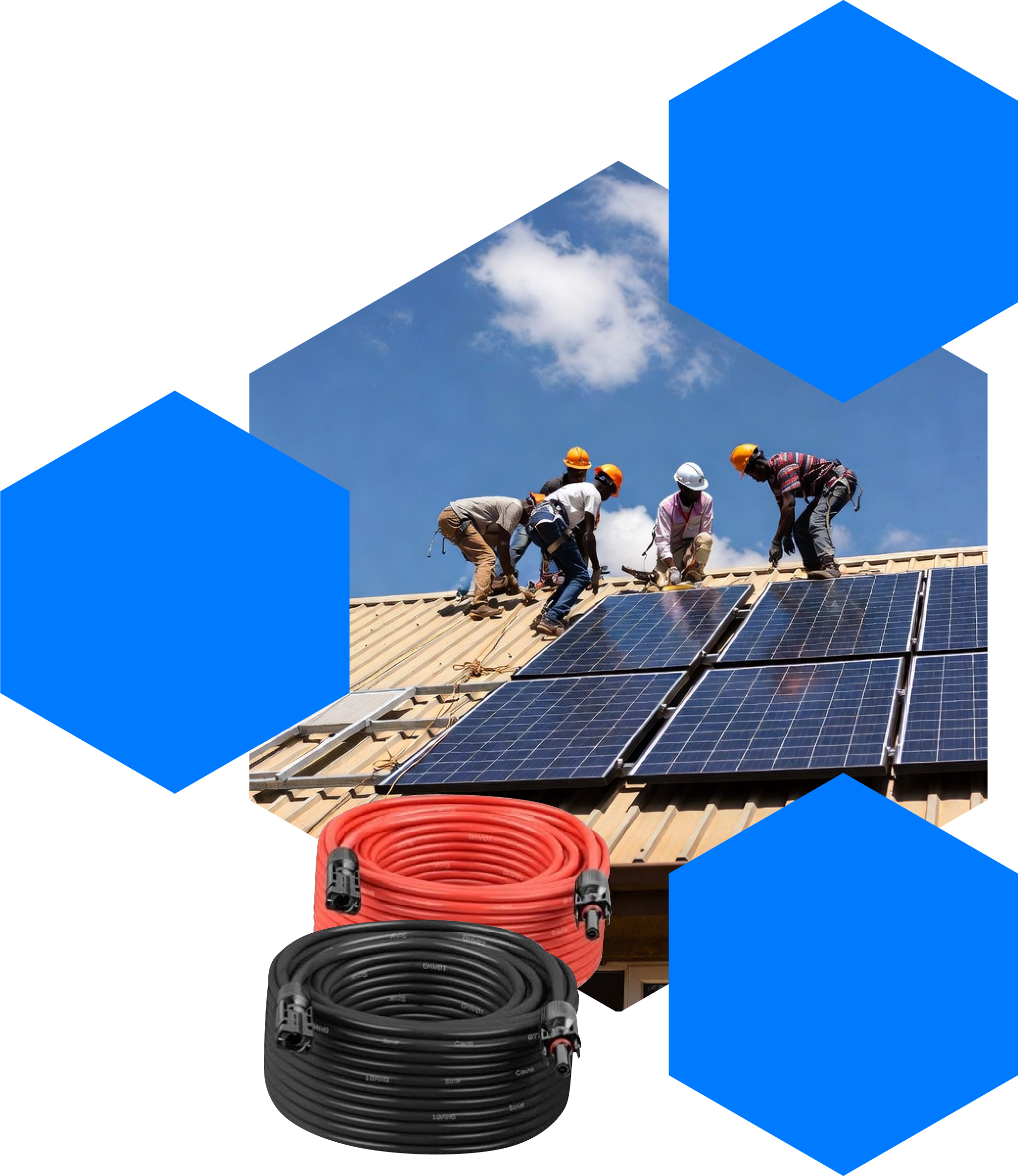
- Secure mounting of solar panels
- Inverter and battery installation
- Electrical wiring and safety compliance checks
- Testing, commissioning, and user training
This structured approach ensures efficiency, safety, and long-term reliability
Solar Panels Price and Installation Cost by Sande
At Sande, we specialize in professional solar panels supply and installation for homes, businesses, institutions, and commercial properties across Kenya. This guide explains the cost of solar panels, installation charges, and what to expect when investing in a solar power system.
What Determines Solar Panels Price in Kenya?
The total solar panels system price depends on several factors:
- Solar Panels Capacity (kW) – The total power you need
- Inverter Size & Brand – Growatt, MUST, Felicity, etc.
- Battery Storage (Optional) – For backup power
- Installation Complexity – Roof type or ground mounting
- Transport & Site Location
Sande ensures all solar panels installations follow proper electrical standards for safety, durability, and performance.
Solar Panels Price and Installation Costs in Kenya (2025 Guide)
Below is a detailed breakdown of average solar panels system costs using common 525W solar panels, which are widely used due to their high efficiency.
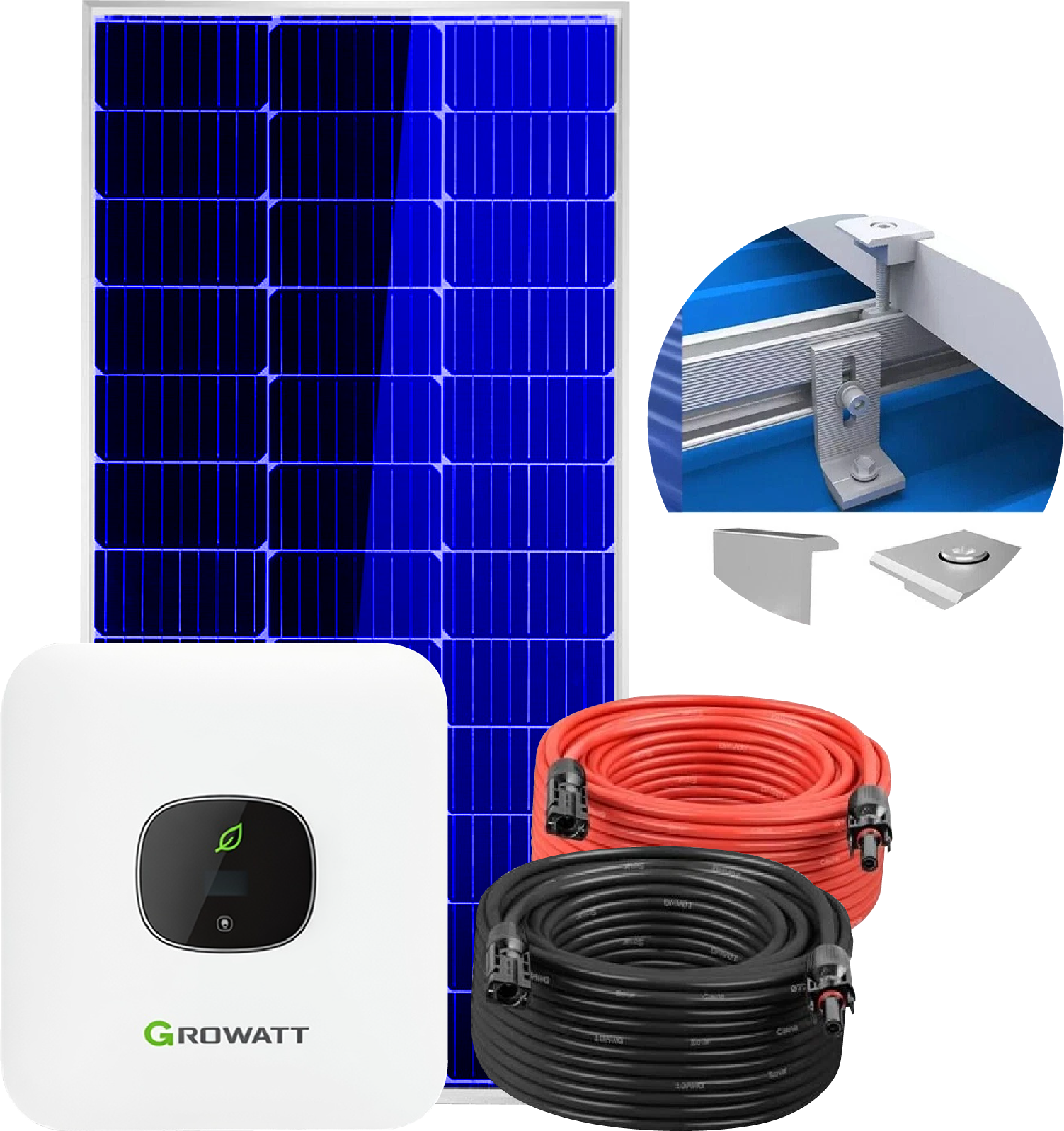
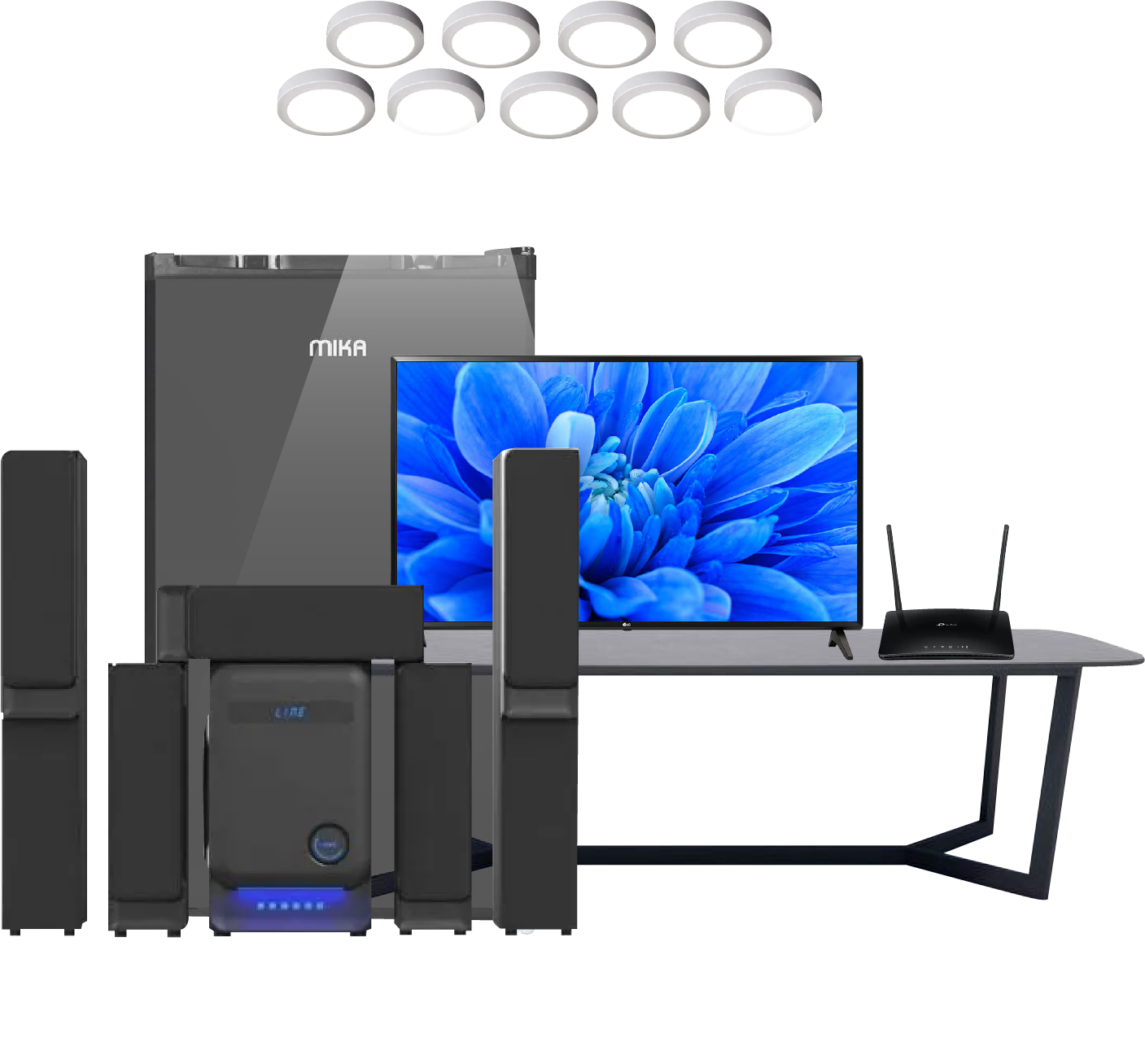
0.5kW Solar Panels System (Small Homes & Bedsitters)
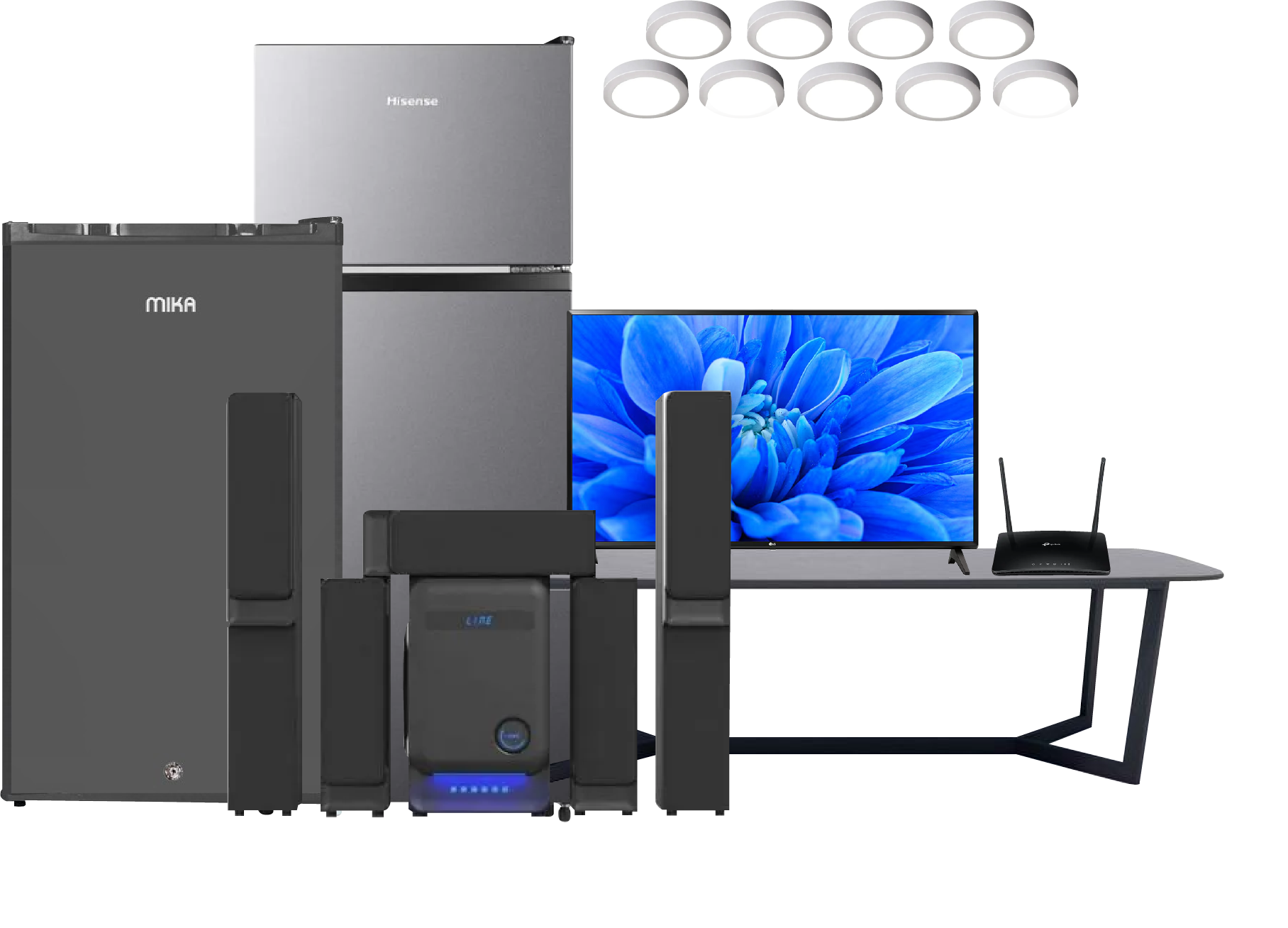
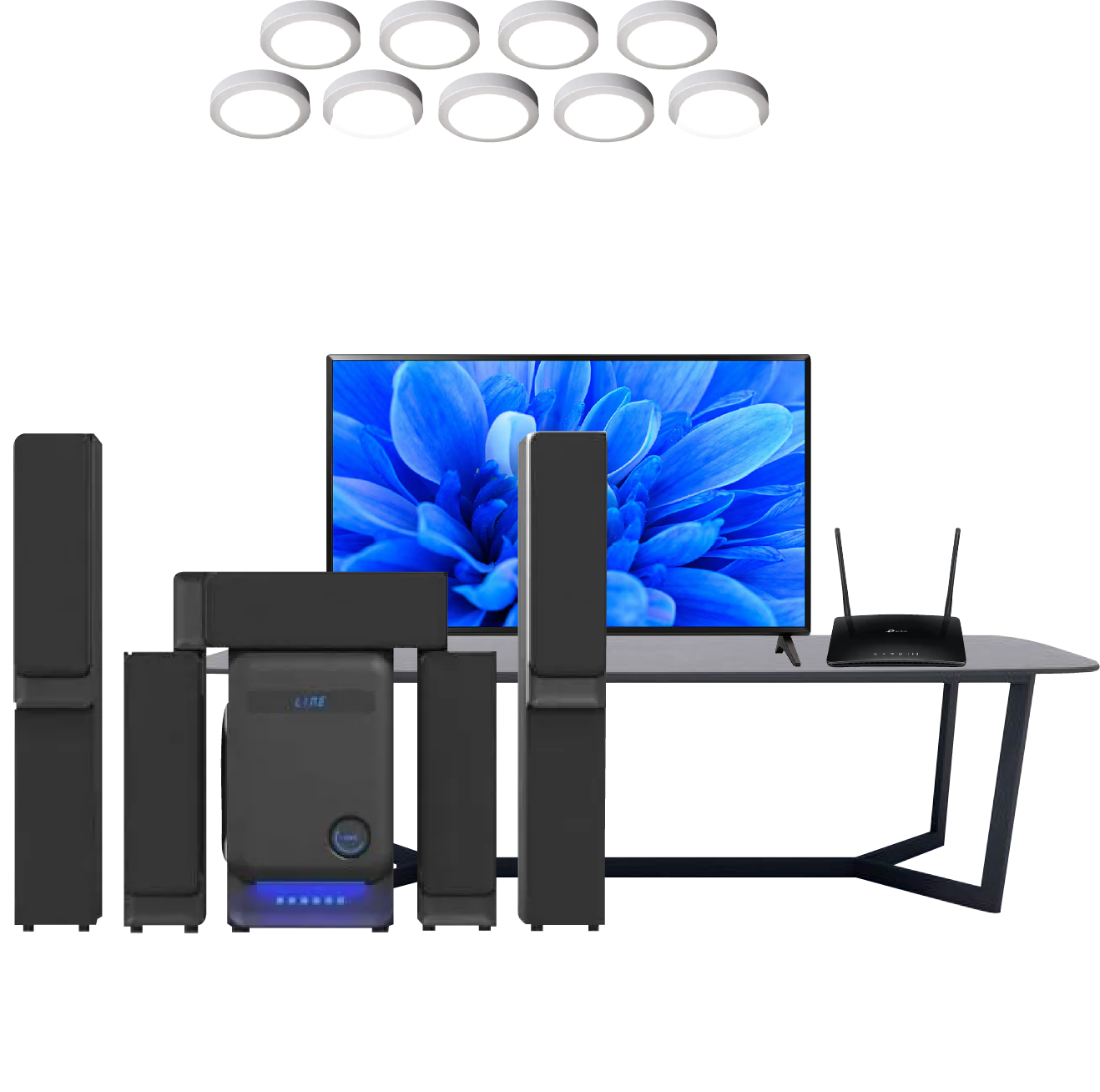
Ideal for lighting, TV, phone charging, Wi-Fi, and small electronics.
- 2 × 525W Solar Panels @ Ksh. 9,000 = Ksh. 18,000
- 1kW–1.5kW Inverter = Ksh. 20,000 – 25,000
- Mounting structure & cabling = Ksh. 7,000
- Installation fee = Ksh. 15,000
- Transport = Ksh. 3,000 – 5,000
Estimated cost:
Ksh. 63,000 – 70,000
(Optional battery backup adds Ksh. 35,000 – 50,000)
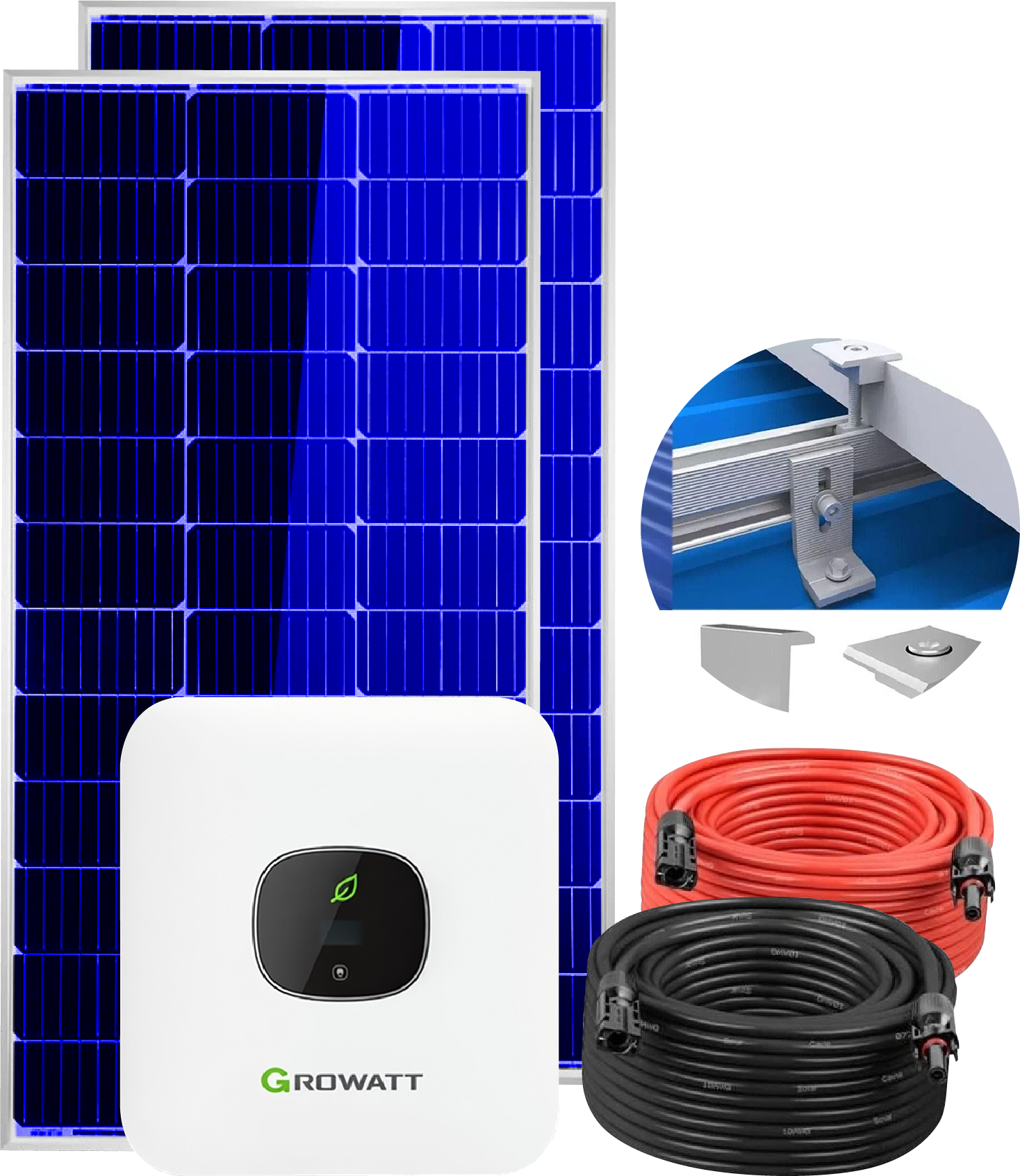
1kW Solar Panels System (Small Homes & Bedsitters)
Ideal for lighting, TV, phone charging, Wi-Fi, and small electronics.
- 2 × 525W Solar Panels @ Ksh. 9,000 = Ksh. 18,000
- 1kW–1.5kW Inverter = Ksh. 20,000 – 25,000
- Mounting structure & cabling = Ksh. 7,000
- Installation fee = Ksh. 15,000
- Transport = Ksh. 3,000 – 5,000
Estimated cost:
Ksh. 63,000 – 70,000
(Optional battery backup adds Ksh. 35,000 – 50,000)
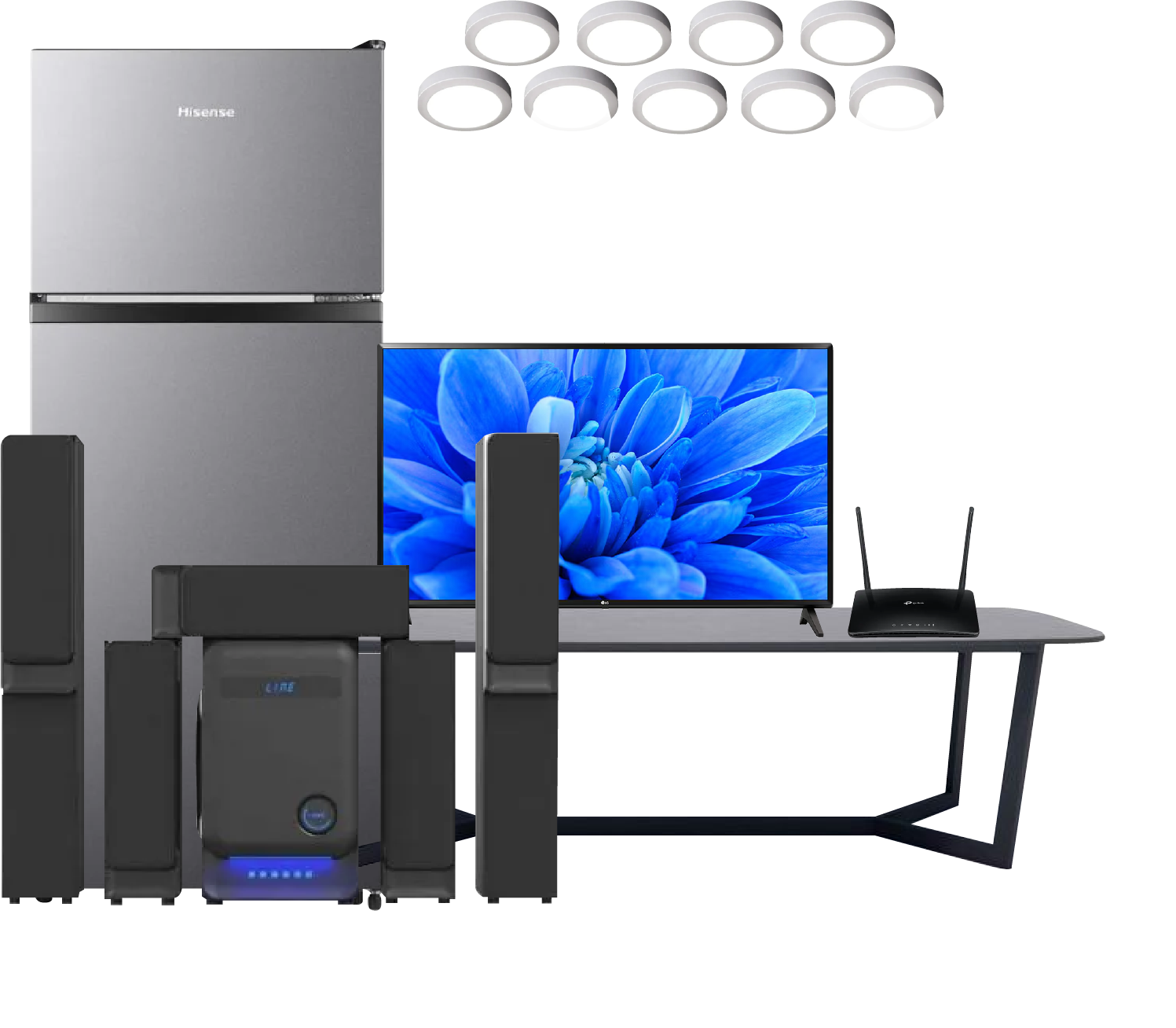
1.5kW Solar Panels System (Typical Residential Homes)
This is one of the most popular solar panels systems in Kenya. It comfortably runs lights, TV, fridge, Wi-Fi, laptops, and CCTV.
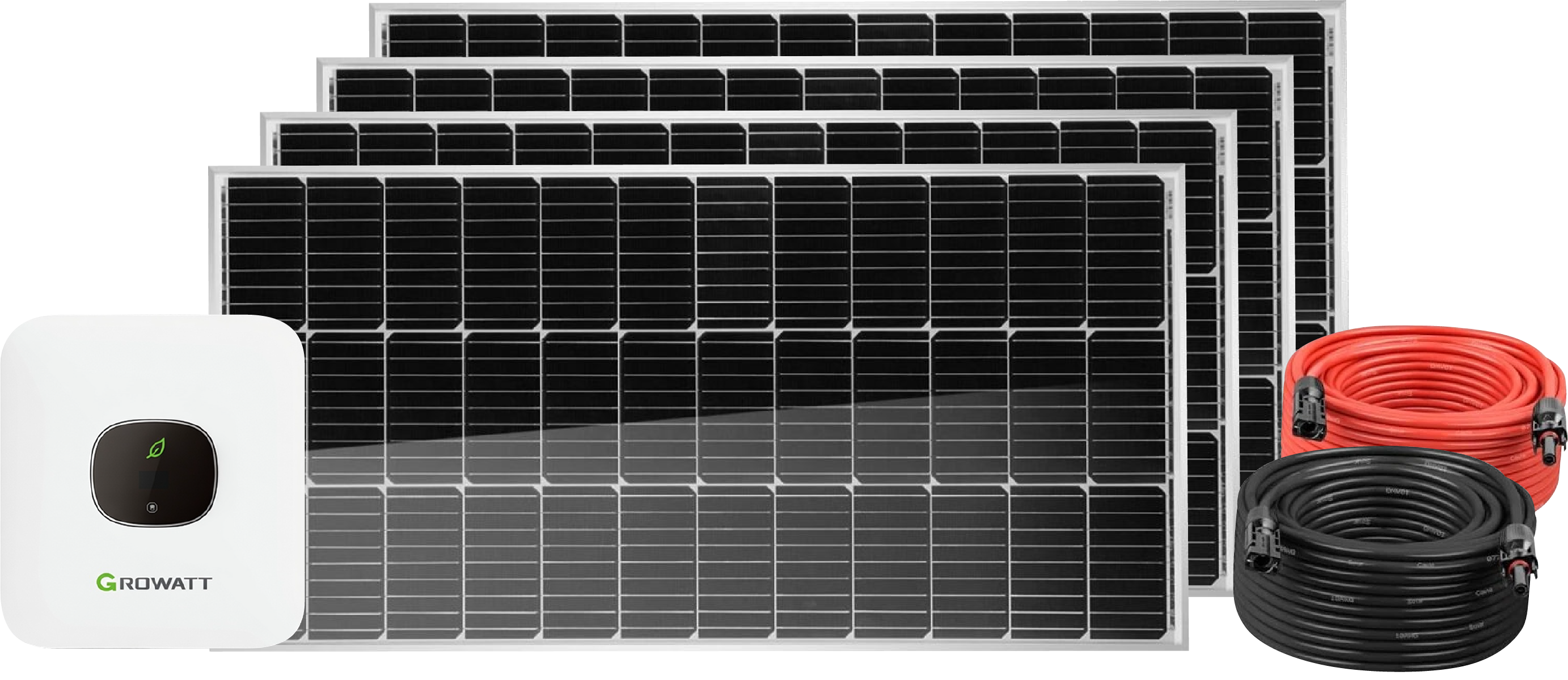
- 4 × 525W Solar Panels @ Ksh. 9,000 = Ksh. 36,000
- 3kW Growatt Inverter = Ksh. 30,000
- DC/AC protection, breakers & cabling = Ksh. 10,000
- Installation fee = Ksh. 20,000
- Transport = Ksh. 5,000
Estimated cost:
Ksh. 101,000
(Battery backup available on request: + Ksh. 60,000 – 90,000)
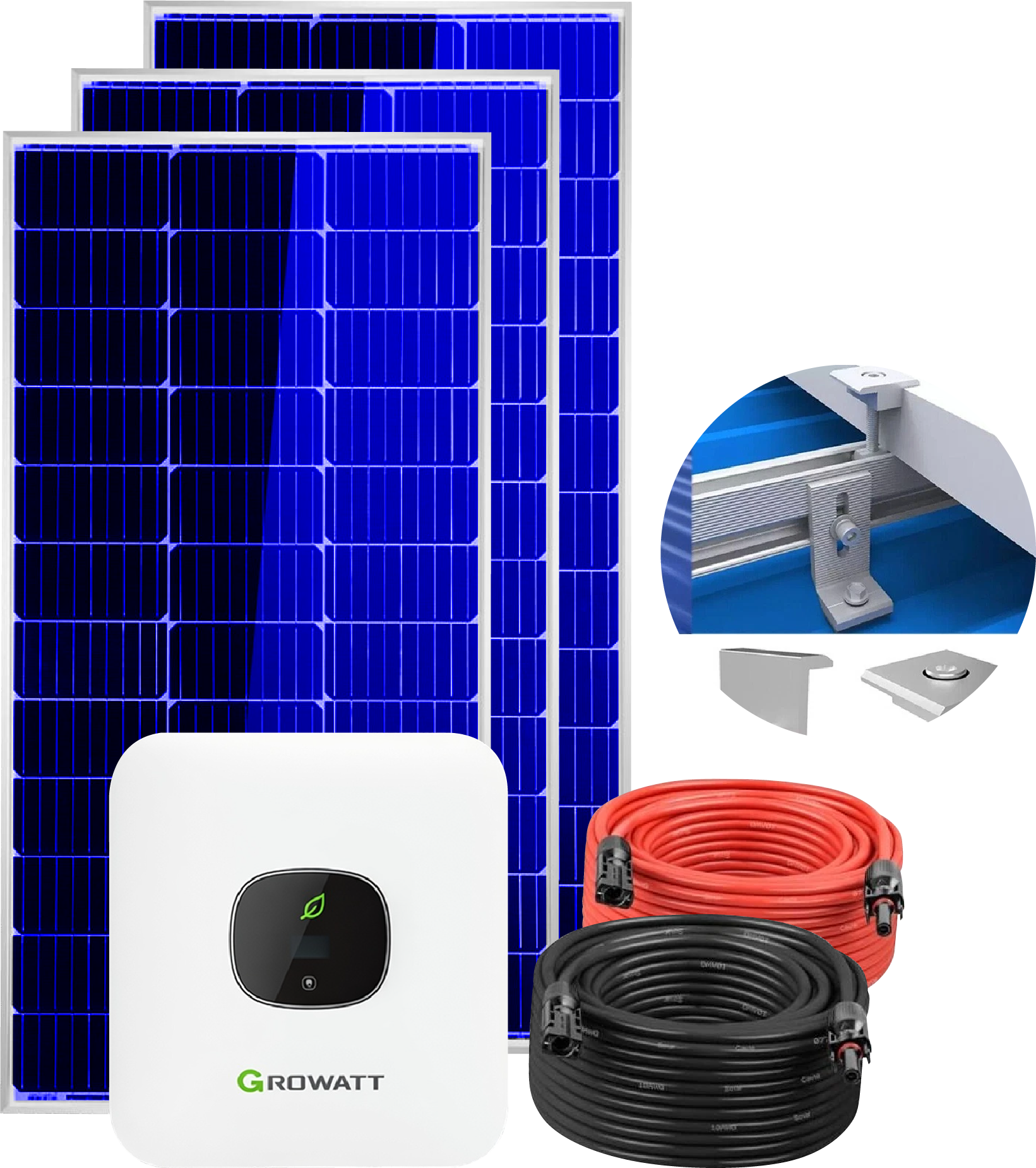
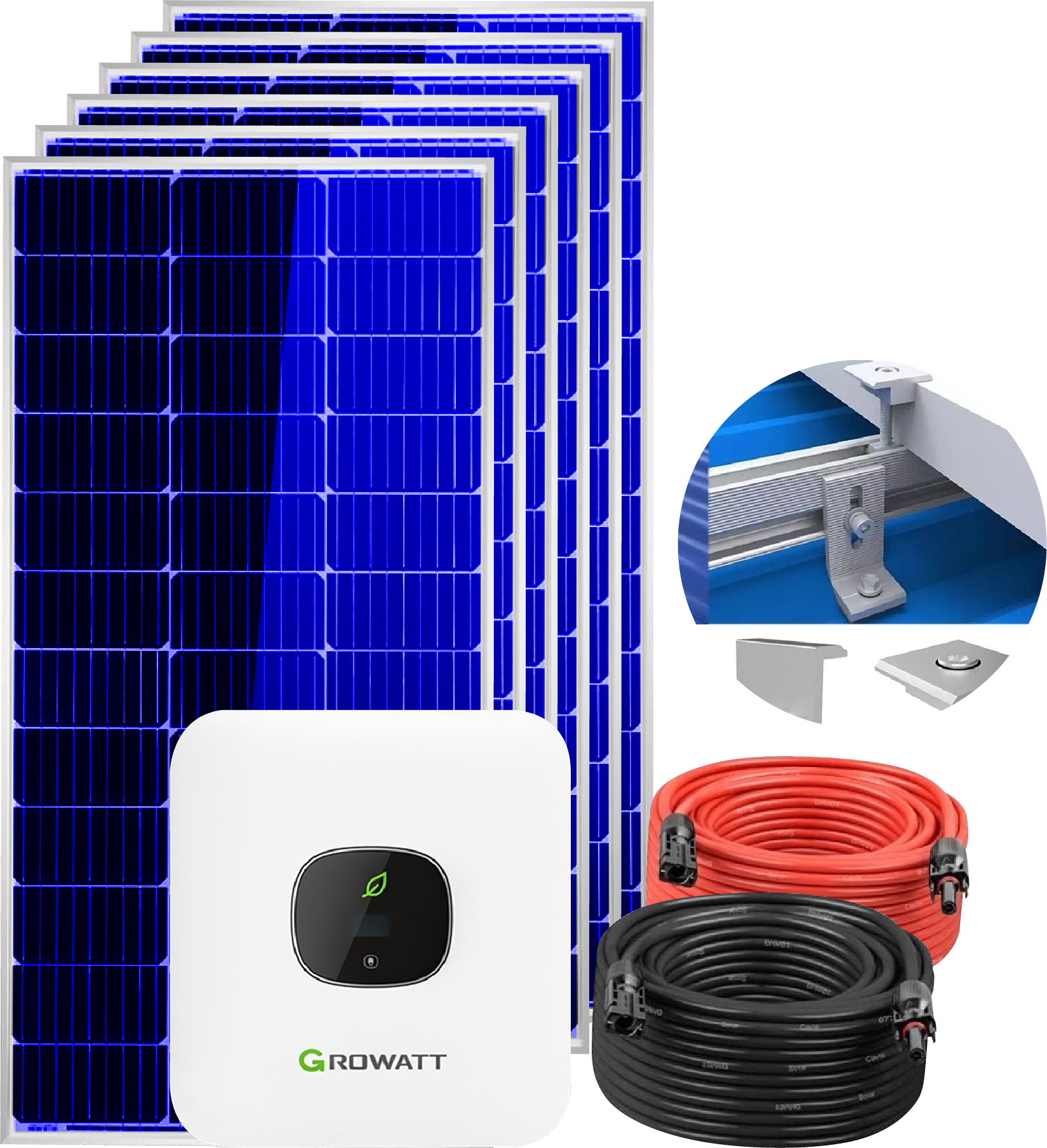
3kW Solar Panels System (Medium Homes & Offices)
Suitable for larger households, offices, salons, and shops.
- 6 × 525W Solar Panels = Ksh. 54,000
- Mounting, wiring & protection = Ksh. 15,000
- Installation fee = Ksh. 25,000
- Transport = Ksh. 5,000 – 7,000
Estimated cost:
Ksh. 145,000 – 165,000
(Battery system may add Ksh. 90,000 – 150,000)
5kW Solar Panels System (Large Homes & Businesses)
Ideal for heavy appliances, pumps, restaurants, offices, and workshops.
- 10 × 525W Solar Panels = Ksh. 90,000
- 5kW Hybrid Inverter = Ksh. 70,000 – 95,000
- Electrical protection & mounting = Ksh. 20,000
- Installation fee = Ksh. 35,000
- Transport = Ksh. 7,000 – 10,000
Estimated cost:
Ksh. 222,000 – 250,000
(Battery bank may cost Ksh. 150,000 – 300,000 depending on backup needs)
10kW Solar Panels System (Commercial & Industrial)
Used by schools, hospitals, factories, and commercial buildings.
- 20 × 525W Solar Panels = Ksh. 180,000
- 10kW Hybrid Inverter = Ksh. 100,000 – 120,000
- Electrical protection & mounting = Ksh. 40,000
- Installation fee = Ksh. 70,000
- Transport = Ksh. 20,000 – 30,000
Estimated cost:
Ksh. 450,000 – 650,000+
(Battery bank may cost Ksh. 150,000 – 300,000 depending on backup needs)